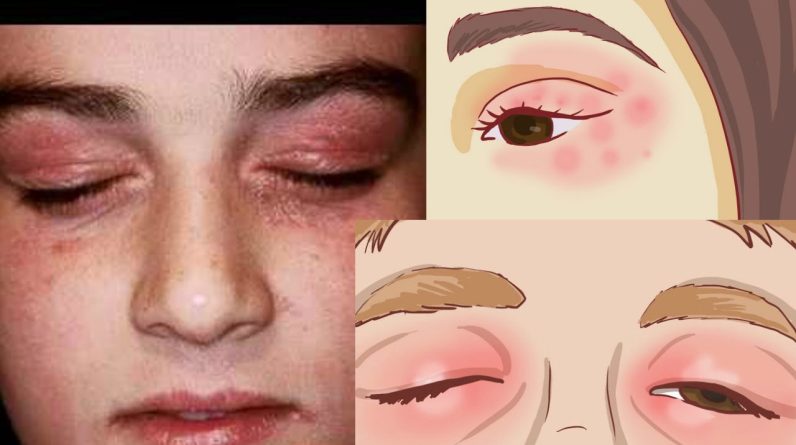


Dealing with eczema and want to know how to cure it permanently? Learn science-backed strategies to manage and potentially cure eczema for good.
Things you need…
Mild, fragrance-free soap
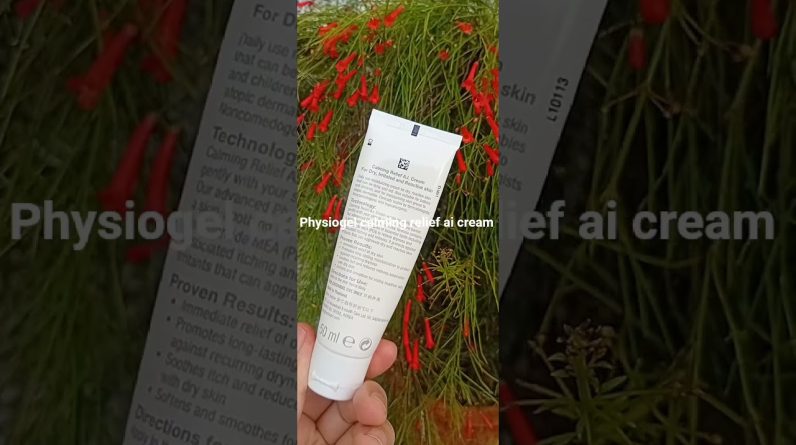
Moisturizer (fragrance-free, hypoallergenic)
Cotton gloves or socks
Over-the-counter hydrocortisone cream
Prescribed medication (if needed)
Food diary
Humidifier
Gentle, fragrance-free laundry detergent
Wet wrap materials (clean cotton bandages or gauze)

This channel contains affiliate links which means we might get a commission if you make a purchase, without any additional cost to you.
The information presented in this video is for general informational purposes only and should not be taken as a substitute for professional medical advice. Always consult with a qualified healthcare professional before making any changes to your diet, lifestyle, or supplement routine.
Now that you have all your tools and materials ready, let’s show you how to get rid of eczema…
Identify and Avoid Triggers
One of the key steps in curing eczema is identifying and avoiding triggers. Common triggers include certain foods, stress, allergens, and harsh skincare products. Keeping a food diary can help you identify any dietary triggers. Note what you eat and any flare-ups that occur afterward.

For instance, a study by the National Eczema Association found that certain foods like dairy, nuts, and wheat can trigger eczema in some individuals. By eliminating these foods and observing changes, you can pinpoint what might be causing your eczema to worsen.
Maintain a Proper Skincare Routine
A consistent skincare routine is crucial for managing eczema. Use mild, fragrance-free soap and warm water for bathing. Hot water can strip the skin of its natural oils, worsening eczema. Pat your skin dry gently with a soft towel and apply a moisturizer while your skin is still damp to lock in moisture.
The American Academy of Dermatology recommends using a thick, fragrance-free moisturizer. Look for products with ingredients like ceramides or glycerin, which help repair the skin barrier. Moisturize at least twice a day, and more often if your skin feels dry.
Use Medication Wisely
Over-the-counter hydrocortisone cream can be effective for mild flare-ups. Apply a thin layer to the affected areas as directed. For more severe eczema, your doctor might prescribe stronger topical steroids or other medications. It’s important to follow your doctor’s instructions and not overuse these treatments, as they can have side effects.
In some cases, doctors prescribe immunosuppressant drugs or biologics for severe eczema. These medications can help by reducing the immune system’s overreaction. Always discuss with your doctor the best treatment plan for your situation.
Wet Wrap Therapy
Wet wrap therapy is a great way to manage severe flare-ups and hydrate your skin deeply. After bathing and moisturizing, apply wet bandages or gauze over the affected areas and cover them with a dry layer. This technique helps the skin absorb moisture and medication more effectively.
According to a study published in the Journal of Allergy and Clinical Immunology, wet wrap therapy significantly reduces eczema symptoms and improves the skin barrier. It’s often recommended for severe cases that don’t respond to conventional treatments.
Manage Stress
Stress is a common trigger for eczema flare-ups. Finding ways to manage stress can significantly improve your skin condition. Practices like meditation, and regular exercise can help reduce stress levels. A study from the University of Sheffield showed that mindfulness and relaxation techniques can lead to a noticeable improvement in eczema symptoms.
Environmental Adjustments
Your environment plays a big role in managing eczema. Use a humidifier in your home, especially during dry months, to keep the air moist. This prevents your skin from drying out. Also, opt for gentle, fragrance-free laundry detergents and avoid fabric softeners, which can irritate the skin.
Seek Professional Help
If your eczema doesn’t improve with these steps, it’s important to seek professional help. Dermatologists can offer advanced treatments and personalized advice to help you manage and cure your eczema. They might recommend light therapy or advanced medications if necessary.
If you found these tips helpful, make sure to subscribe to our channel for more expert advice on skin care and wellness. Share this video with anyone you know who might be struggling with eczema, and leave a comment below if you have any questions or tips of your own!
source