

Today, we’re tackling a topic that affects millions of people worldwide: How to get rid of eczema on the face in simple steps.
Things you need…
Gentle, Fragrance-Free Cleanser –
Moisturizer with Ceramides –
Topical Steroids (Prescribed by a Doctor)
Wet or Cold Compress –
Over-the-Counter Antihistamines –
Water for Hydration
Food Journal –
A Humidifier –

This channel contains affiliate links which means we might get a commission if you make a purchase, without any additional cost to you.
Now that you have all your tools and materials ready, let’s get into it…
Step 1: Identifying Eczema Symptoms
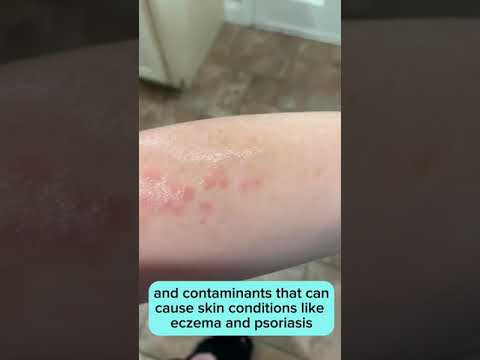
First things first, it’s crucial to recognize the symptoms of facial eczema. These usually include dry, red, itchy skin, sometimes with patches of flakiness. If you’re experiencing these symptoms, it’s important to consult a healthcare professional for a diagnosis. The National Eczema Association has a great guideline for this.
Step 2: Choose the Right Cleanser

Once you’ve got a diagnosis, start by choosing a gentle, fragrance-free cleanser. Harsh soaps can irritate your skin even more. According to a study in the Journal of Clinical and Aesthetic Dermatology from 2019, the wrong cleanser can seriously mess with your skin’s pH levels.
Step 3: Use a Moisturizer
After washing your face, apply a moisturizer with ceramides. Ceramides help maintain the skin’s protective barrier. In 2017, the British Journal of Dermatology published a study indicating that ceramides are beneficial for treating eczema.
Step 4: Topical Steroids
If your eczema is severe, your doctor may prescribe a topical steroid. Use this exactly as directed. Overuse can lead to skin thinning, which is something you definitely want to avoid. The American Academy of Dermatology has some excellent information on how to use these creams safely.
Step 5: Wet or Cold Compress
For immediate relief, you can apply a wet or cold compress to the affected area. This soothes inflammation and helps manage itchiness. This technique is even recommended by the World Allergy Organization.
Step 6: Antihistamines
Over-the-counter antihistamines can also help control itching. However, make sure to consult your healthcare provider before adding these to your regimen.
Step 7: Stay Hydrated
Don’t underestimate the power of water. Keeping your body hydrated can positively impact your skin’s condition. The European Food Safety Authority has some great information on how water consumption benefits skin health.
Step 8: Track Your Diet
Maintain a food journal to identify any dietary triggers that might exacerbate your condition. The National Institute of Allergy and Infectious Diseases has shown that certain foods can be triggers for eczema.
Step 9: Add Humidity
Lastly, a humidifier can help maintain optimal moisture levels in your environment, which can be helpful for your skin.
That’s it, folks! Simple steps that can make a world of difference. If you found this video helpful, please subscribe, share, and drop a comment below. And remember, when it comes to treating eczema on the face, consistency is key. So, stick to your routine, and you’ll see improvements. Thanks for watching!
source